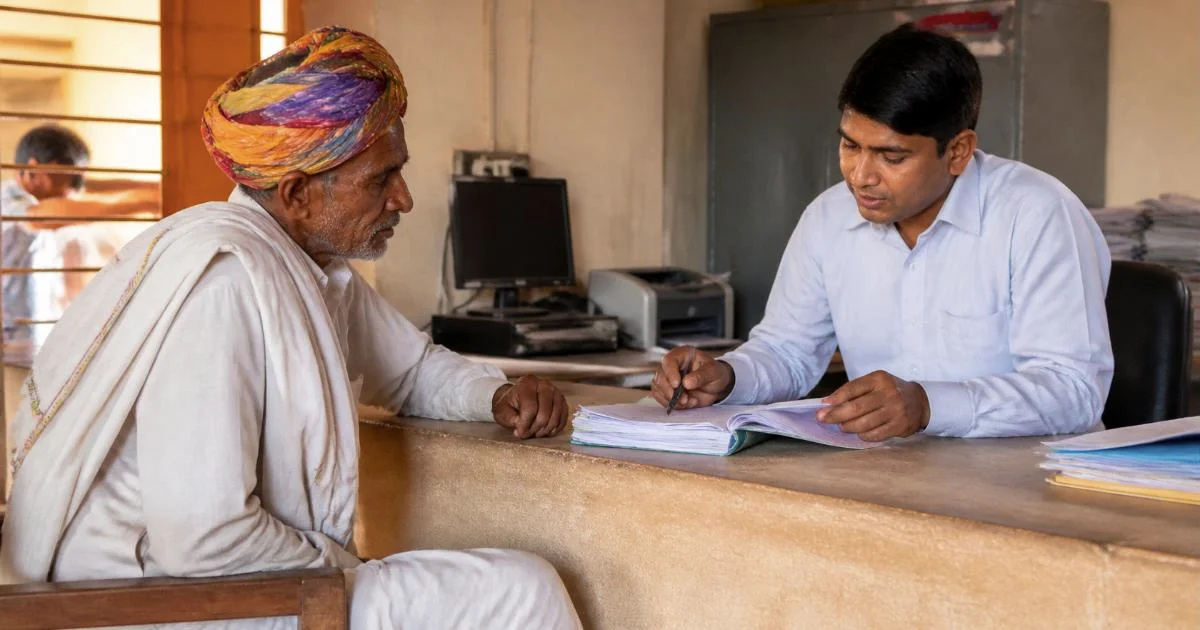

Many MSMEs supply goods and services to large companies and wait 60, 90 or even more days to be paid. Meanwhile they must pay workers, suppliers and taxes. Invoice discounting lets a business convert approved invoices into cash before the due date. The Trade Receivables Discounting System (TReDS) is an RBI-regulated platform that makes this easier and more transparent for MSMEs.
1. What invoice discounting means
In invoice discounting, a financier pays the supplier a large share of the invoice value upfront, minus a discount (interest) for the period until the buyer pays. When the buyer pays on the due date, the financier is repaid. The cost depends largely on the buyer’s creditworthiness, not just the MSME’s.
2. How TReDS works
- The MSME uploads invoices on a TReDS platform.
- The buyer accepts the invoices online.
- Banks and NBFCs on the platform bid to finance them.
- The MSME accepts the best bid and receives funds.
- The buyer pays the financier on the due date.
TReDS financing is generally without recourse to the MSME once the buyer has accepted the invoice.

3. Eligibility and onboarding
MSME sellers, corporate and government buyers and financiers register on RBI-authorised TReDS platforms. Large buyers above certain turnover thresholds have been required by government notification to register on TReDS. MSMEs need Udyam registration, KYC documents and bank details. Encourage your major buyers to onboard, since their acceptance is essential.
4. Costs and benefits
Discount rates are often competitive because they reflect the buyer’s credit strength. Platform fees are usually modest. Benefits include faster cash, no collateral in most cases, and reduced dependence on buyer goodwill for timely payment. Compare the effective cost with working capital loans and overdrafts; our MUDRA and CGTMSE guide explains other options.
5. Delayed payments and legal remedies
Under the MSMED Act, buyers must pay MSME suppliers within agreed terms, subject to a legal maximum, or pay interest. Unpaid MSMEs can approach MSME Facilitation Councils. ATTPL Legal explains this route in its MSME payment recovery guide.
6. Comparing financing options
MSMEs have several ways to fund the gap between delivery and payment: cash credit or overdraft limits, invoice discounting through banks, TReDS, factoring and supply chain finance programmes offered by large buyers. Each has different costs, collateral needs and paperwork. TReDS stands out when the buyer is creditworthy and willing to accept invoices on the platform. Many MSMEs use a combination, keeping bank limits for flexibility and using TReDS for invoices from large buyers.
- Calculate the effective annual cost of each option.
- Consider the impact on existing bank limits.
- Check how quickly funds are credited.
7. Getting started on TReDS
Choose an RBI-authorised TReDS platform, complete online registration with Udyam, KYC and bank details, and sign the platform agreements. Then invite your large buyers to accept invoices on the platform. Start with a few invoices to understand timelines and costs before using it regularly.
8. Practical tips
- Keep invoices accurate and matched to purchase orders and GST records.
- Track receivables ageing every week.
- Plan which invoices to discount based on cash needs.
- Build relationships with buyers’ accounts teams.
GST e-invoicing requirements are explained by ATTPL Consultancy, and customer follow-ups can be tracked in ATTPL CRM.
Frequently asked questions
What is TReDS?
An RBI-regulated online platform where MSMEs’ invoices accepted by buyers are financed by banks and NBFCs through competitive bidding.
Is TReDS financing with recourse?
Generally no; once the buyer accepts the invoice, financing on TReDS is without recourse to the MSME.
Who decides the discount rate?
Financiers bid on the platform, and the MSME chooses the best offer; rates largely reflect the buyer’s creditworthiness.
Does using TReDS affect my bank credit limit?
TReDS financing is based on buyer-accepted invoices; discuss with your bank how it fits with existing working capital limits.
Sources
Need working capital support for your business? Contact ATTPL Finance.